
Snoring or Something More? How Sleep Apnea Impacts Your Teeth and Gums
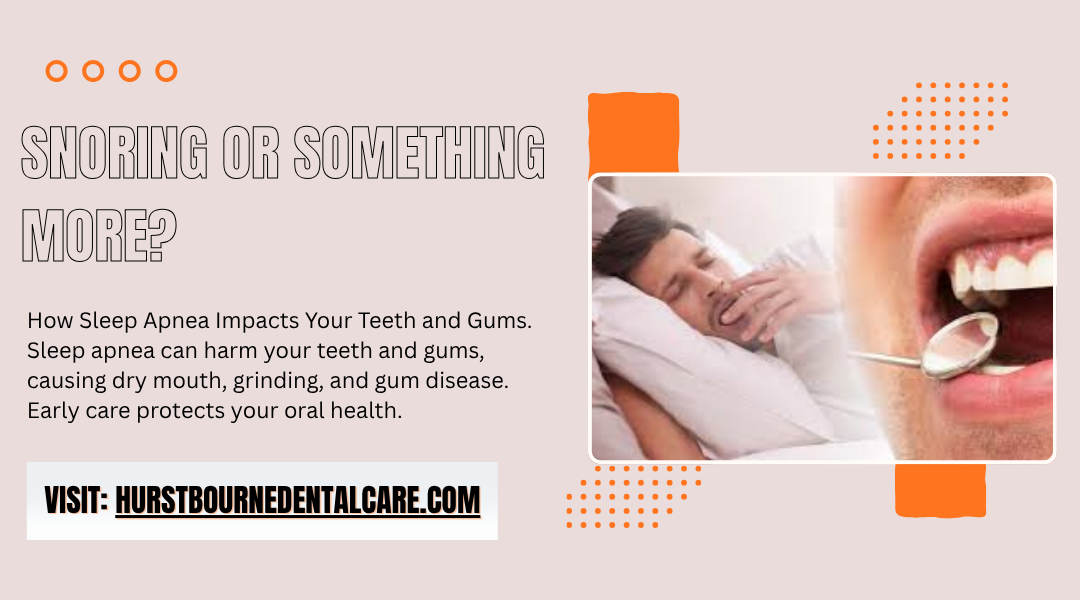
Let’s be honest—most folks shrug off snoring. Maybe you laugh about it, or someone nudges you awake at night, but hardly anyone thinks it’s a big deal. Maybe you shouldn’t be so quick to brush it off, though. Sometimes, what sounds like harmless snoring is actually sleep apnea, a condition that keeps your body from getting enough oxygen while you sleep. And that doesn’t just leave you feeling wiped out. It can really mess with your mouth—your teeth and gums, in particular.
Lately, more and more dentists have started spotting the clues early. Turns out, your mouth is a pretty big tattle-tale when it comes to sleep apnea. If you catch the warning signs in time, you can save your sleep and your smile.
What Is Sleep Apnea?
Sleep apnea is basically when you stop breathing, again and again, through the night. Sometimes the pauses last just a few seconds. Sometimes they go longer. Either way, your oxygen drops, and your body keeps waking up over and over—even if you don’t remember it in the morning.
Obstructive sleep apnea (OSA) is the main culprit. The muscles in your throat get too relaxed, your airway closes off, and suddenly, you’re gasping or choking, trying to breathe until everything opens back up.
Snoring vs Sleep Apnea: What’s the Difference?
Not every snorer has sleep apnea, but the two often go hand-in-hand. Snoring happens when air squeezes past soft, relaxed tissues in your throat and makes them vibrate. With apnea, though, snoring usually gets louder, happens every night, and sometimes there’s choking, coughing, or even total silence—your breath actually pauses. If your snoring comes with constant fatigue during the day or you never feel well-rested, you might want to pay attention.
How Sleep Apnea Affects Your Body
Sleep apnea isn’t just a “sleep problem.” It takes a toll everywhere—your heart, your brain, even how your body handles sugar. Untreated, it leads to:
- High blood pressure
- Heart disease
- Stroke
- Diabetes
- Trouble concentrating, always feeling fried
But the mouth is an area people often ignore.
The Connection between Sleep Apnea and Oral Health
1. Teeth Grinding (Bruxism)
2. Dry Mouth
3. Gum Disease
4. Jaw Problems (TMJ Issues)
Signs Your Dentist May Notice
Your dentist doesn’t just look for cavities or plaque. They’re on the lookout for:
- Flattened or worn teeth
- Scalloped marks along the sides of your tongue
- Red, irritated throat tissues
- A narrow airway
- Signs of dry mouth
They might also ask about your sleep, how tired you feel, or if you snore.
Why Early Detection Matters
Sleep apnea flies under the radar because the symptoms blend right into daily life—who isn’t tired? But getting to the problem early helps you dodge bigger health issues and keeps your teeth and gums in better shape. Treating apnea means you sleep better, feel better, protect your smile, and lower your risk for some really serious health problems down the road.
Diagnosis: What Happens Next?
If your dentist or doctor suspects sleep apnea, they’ll refer you to a sleep specialist for a study—either in a clinic or at home with special equipment. They’ll measure your breathing patterns, oxygen levels, and sleep stages to see what’s going on.
Treatment Options That Protect Your Smile
Lifestyle Changes
- Lose some weight if needed
- Try sleeping on your side
- Skip alcohol before bed
CPAP Therapy
Oral Appliance Therapy
Dentists can fit you with a custom-made device that repositions your jaw while you sleep, so your airway stays open. These appliances are comfortable, small, portable, and especially good for mild to moderate cases.
How Oral Appliances Work
Basically, they nudge your lower jaw forward just enough to keep your airway from closing. This stops loud snoring and those scary breathing pauses. They’re much quieter and less bulky than a CPAP, which is why so many people like them.
Tips to Protect Your Teeth and Gums
If you’ve got sleep apnea, or even just the suspicion, don’t skip oral care:
- Brush and floss every day
- Drink plenty of water
- Use a mouthguard if your dentist recommends it
- Keep up with your dental checkups
- Avoid sugar right before bed
When Should You Seek Help?
Reach out to your dentist or doctor if:
- Your snoring is loud, nightly, or your partner says you stop breathing
- You wake up exhausted
- You’re clenching or grinding your teeth
- Your mouth is super dry when you wake up
- You’re having gum issues with no clear cause
Don’t wait—getting help earlier can really turn things around.
Final Thoughts
Snoring doesn’t always mean trouble, but sometimes it’s a flashing warning sign for sleep apnea. And this condition isn’t just about restless nights—it can do a number on your teeth, gums, and your whole body. Hurstbournedentalcare , Dentists have a key role as early detectives. So, listen to what your body (and your dentist) are telling you. Keeping an eye on both your sleep and your mouth helps you stay healthy and enjoy life more.