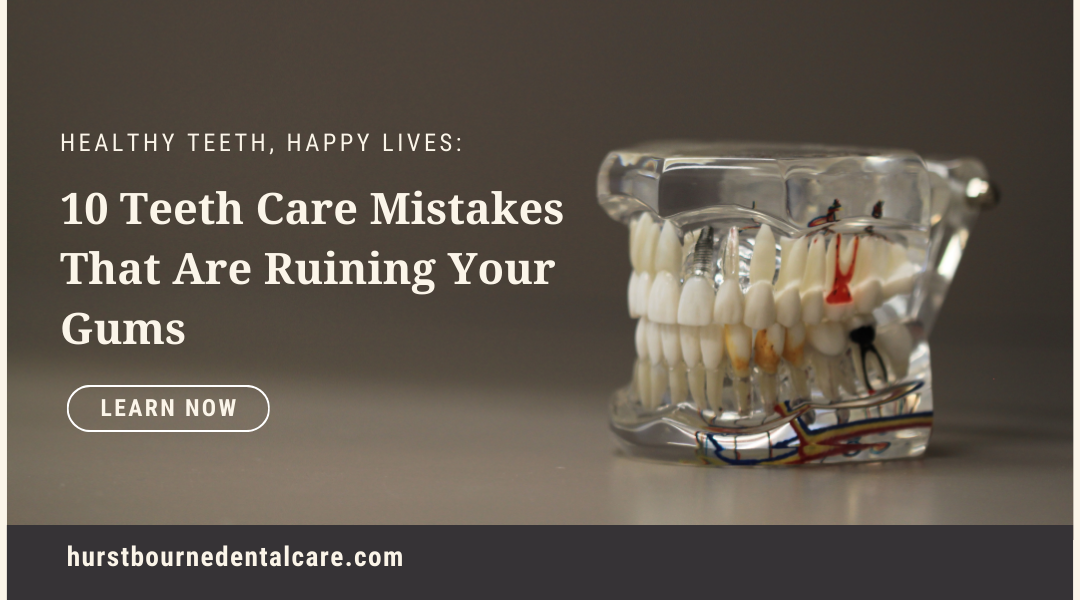
Healthy gums create the base of a strong and confident smile. However, many people focus only on teeth and ignore gum care completely. Although daily brushing sounds enough, small mistakes slowly weaken gum tissue. Because of this, people experience bleeding, swelling, sensitivity, and bad breath. Therefore, understanding these common mistakes helps protect your gums before serious damage occurs.
Below are 10 teeth care mistakes that silently ruin gum health and what you should do instead.
1. Brushing Too Hard
First, brushing too hard damages gums more than it cleans teeth. Many people believe strong pressure removes plaque faster. However, harsh brushing irritates gum tissue.
As a result, gums pull away from teeth. Consequently, roots become exposed and sensitive. Therefore, gentle brushing protects gums better. In other words, pressure does not equal cleanliness.
Moreover, soft circular movements clean teeth effectively without injury. Notably, dentists always recommend gentle pressure for long-term gum health.
2. Using the Wrong Toothbrush
Second, using the wrong toothbrush creates constant irritation. Hard bristles may feel effective. Nevertheless, they scrape delicate gum tissue.
Compared to soft-bristled brushes, hard brushes increase gum recession. Hence, soft bristles remain the safer choice. Furthermore, old toothbrushes collect bacteria.
In addition, replacing your toothbrush every three months reduces infection risk. Similarly, choosing a comfortable handle improves brushing control.
3. Skipping Flossing Regularly
Next, skipping flossing allows plaque to stay trapped between teeth. Although brushing cleans surfaces, it misses tight gaps. Or missing teeth.
Because of this, bacteria grow along the gumline. Consequently, gums swell and bleed. In the same way, food debris causes inflammation overnight.
For example, flossing once daily removes hidden plaque and improves blood circulation in gums. Moreover, gentle flossing strengthens gum tissue over time.
4. Ignoring Bleeding Gums
Bleeding gums signal an early warning. However, many people ignore this sign. In fact, bleeding often points to gingivitis.
Therefore, neglecting bleeding allows disease to progress. Moreover, consistent brushing and flossing often reverse early damage. To clarify, bleeding that continues for several days needs professional attention.
Most importantly, treating bleeding early prevents advanced gum disease.
5. Overusing Mouthwash
Mouthwash provides freshness. However, overuse damages gums. Many mouthwashes contain alcohol.
As a result, the mouth dries out. Consequently, gums lose moisture and become irritated. In contrast, alcohol-free mouthwash protects gums.
Additionally, limiting mouthwash use to once daily maintains balance while avoiding dryness. Notably, mouthwash should support brushing, not replace it.
6. Poor Brushing Technique
Brushing twice daily matters. However, technique plays a bigger role. Many people brush quickly or miss areas.
Because of this, plaque remains near the gumline. Consequently, bacteria multiply. For instance, brushing for less than one minute leaves harmful residue behind.
Therefore, brushing for at least two minutes improves gum health. Moreover, angling the brush toward the gums removes plaque effectively.
7. Excessive Sugar Consumption
Sugary foods fuel harmful bacteria. Moreover, frequent sugar intake increases plaque formation.
As a result, acids attack gum tissue. Hence, inflammation develops faster. In contrast, fiber-rich foods support oral health.
For example, fruits and vegetables stimulate saliva flow. Similarly, drinking water after sweets washes away sugars. Therefore, limiting sugar protects gums naturally.
8. Smoking and Tobacco Use
Smoking harms gums severely. Most importantly, tobacco reduces blood flow.
Because of this, gums receive less oxygen. Consequently, infections heal slowly. Compared to non-smokers, tobacco users experience faster gum disease.
In addition, smoking masks symptoms, delaying treatment. Above all, quitting tobacco improves gum strength and healing.
9. Skipping Dental Checkups
Many people visit dentists only during pain. However, gum disease often develops silently.
Because of this, problems go unnoticed. Therefore, regular dental checkups matter. Furthermore, professional cleanings remove tartar that brushing cannot.
Notably, early detection saves teeth and gums. In the same way, routine visits reduce treatment costs.
10. Neglecting Overall Health
Your gums reflect overall health. For instance, diabetes weakens immunity.
As a result, gums become prone to infection. Likewise, dehydration causes dry mouth. Therefore, drinking enough water supports gum health.
Additionally, stress increases inflammation. Hence, managing stress protects oral tissues. Above all, balanced living strengthens gums naturally.
How These Mistakes Damage Gums Over Time
These habits may seem small. However, their combined impact proves serious. In fact, plaque hardens into tartar when ignored.
Consequently, gums pull away from teeth. Hence, deep pockets form. Ultimately, untreated gum disease leads to tooth loss.
Simple Habits That Protect Your Gums
- Healthy habits make a difference.
- First, brush gently twice daily.
- Second, floss once daily.
- Next, drink enough water.
- Then, limit sugar intake.
- Finally, visit your emergency dentist regularly.
Moreover, consistency ensures lasting results.
Final Thoughts
Gum health deserves daily care. Above all, awareness prevents damage. In summary, small teeth care mistakes silently ruin gums.
Therefore, correcting habits today prevents future pain. Overall, healthy gums support a confident smile. In conclusion, small changes now protect your oral health for years to come.